
Smart heating in a rental: How to end arrears and save up to 30%
Smart thermostatic valves, window sensors, and simple automations help limit overheating and heating with open windows – without unnecessarily restricting tenants.
High heating arrears don't have to be the norm
The same scenario often repeats itself in rented apartments: after the annual billing, a heating arrear arrives, the tenant is surprised, and the landlord has to figure out whether to pay it themselves or risk a conflict. The cause might not be poor insulation or a heating malfunction. Very often, it comes down to inefficient daily habits.
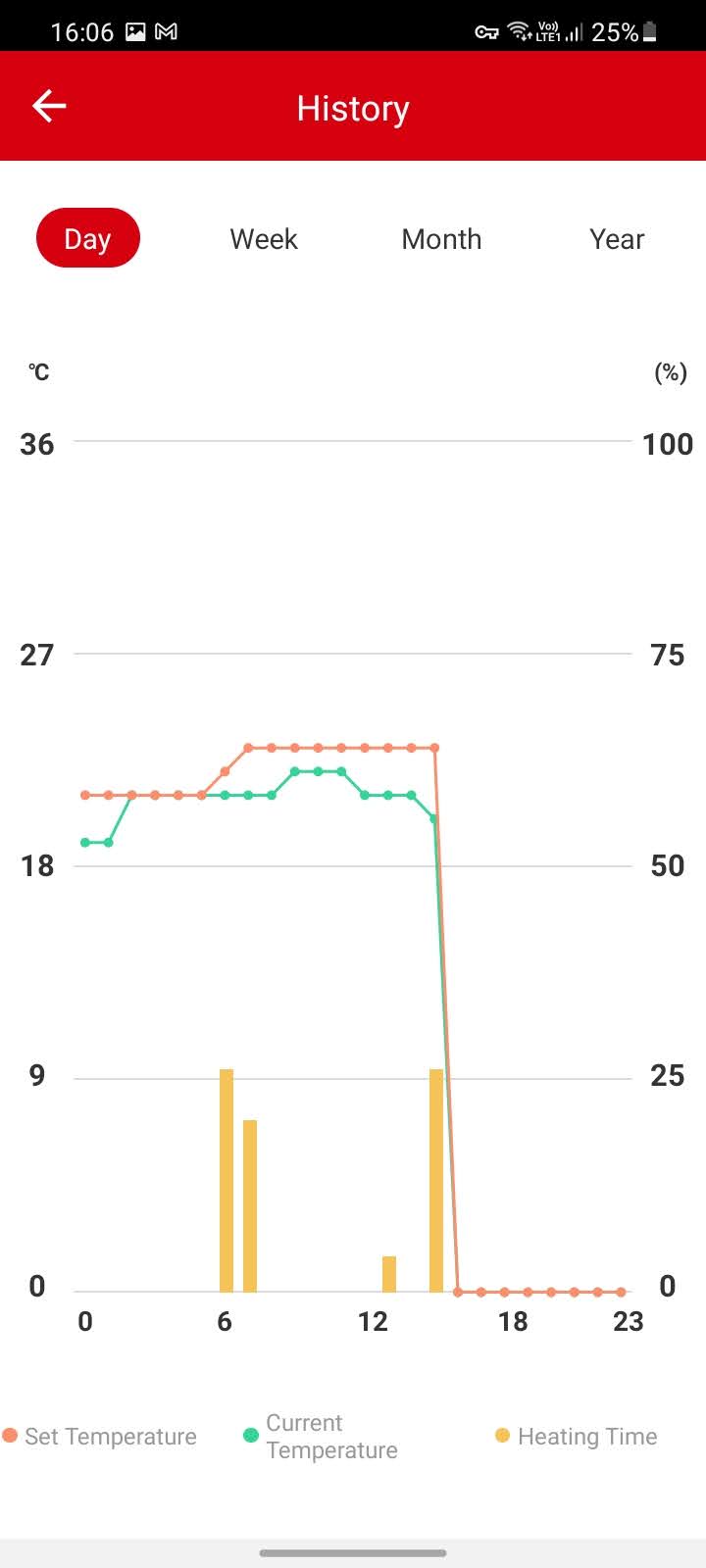
Typical problems include heating at full blast, long ventilation with open radiators, and a lack of feedback. The tenant usually doesn't see how their behavior affects next year's bill. Automation can significantly reduce these situations.
Overheating
The radiator is left fully on, often even when the tenants are away.
Long ventilation
Leaving a window open for hours while the heating is on means unnecessary heat loss.
Lack of feedback
The tenant has no overview of when and how their behavior increases costs.
These problems are closely related. The tenant turns the heat up to maximum, the apartment consequently overheats, and the need to ventilate arises. However, if the radiator keeps heating, the window stays open longer than necessary. The result is discomfort, higher consumption, and the risk of arrears.
Solving overheating: Smart radiator valves
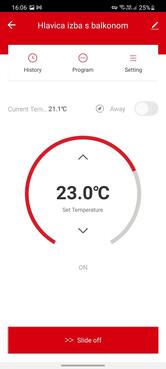
The foundation of the solution is smart radiator valves. They allow you to set the temperature in individual rooms, create a weekly schedule, and control the heating remotely via the Tuya or Smart Life app.
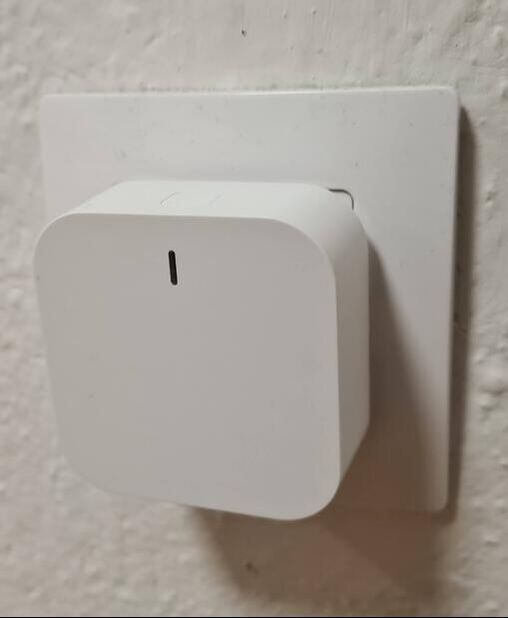
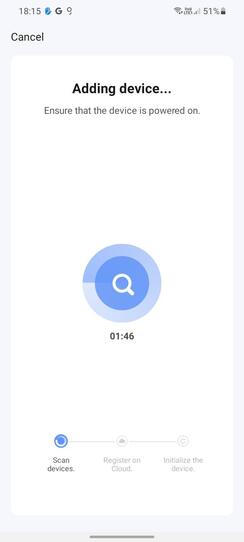
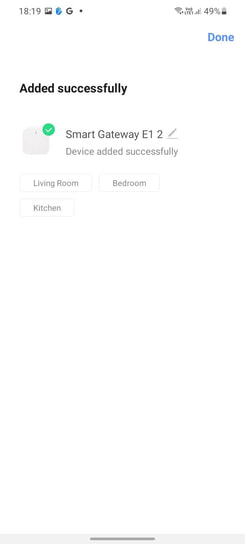
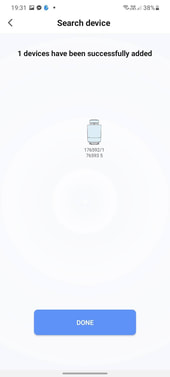
To communicate with the valves, a Zigbee gateway is required. You simply plug it into an outlet, ideally in a location with good coverage within the apartment, and then add the individual devices to the app.
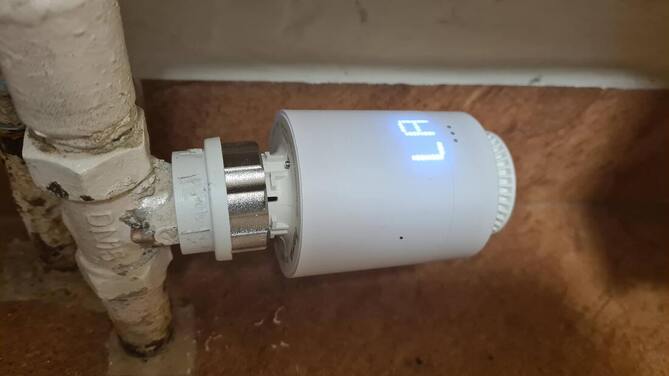
Smart valve
A smart valve replaces a classic thermostatic valve and allows you to control the temperature according to a schedule.
Zigbee gateway
It ensures the connection of Zigbee devices with the app and allows the creation of automations.
Valve adapter
For some valve types, a suitable adapter may be required to install the smart valve.
Create a heating schedule for each room
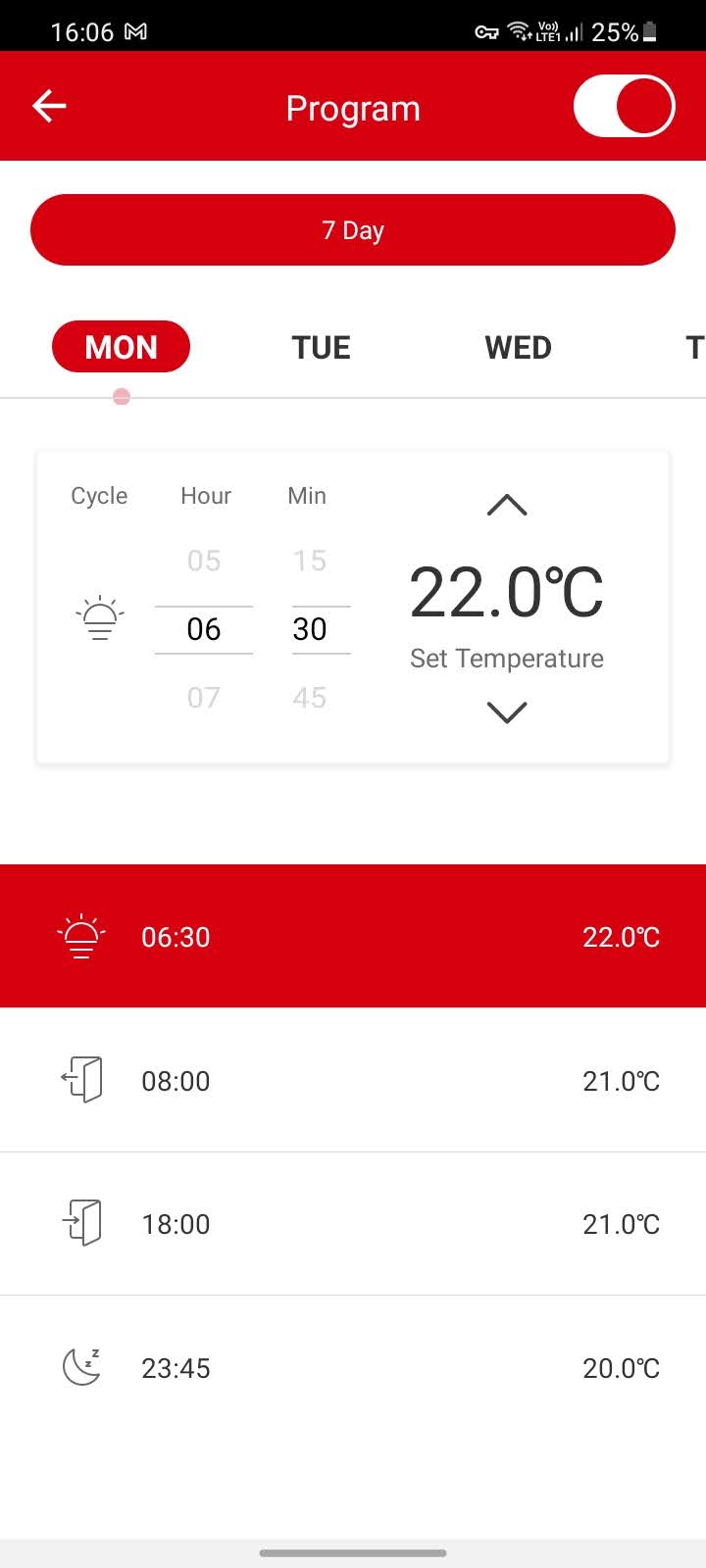
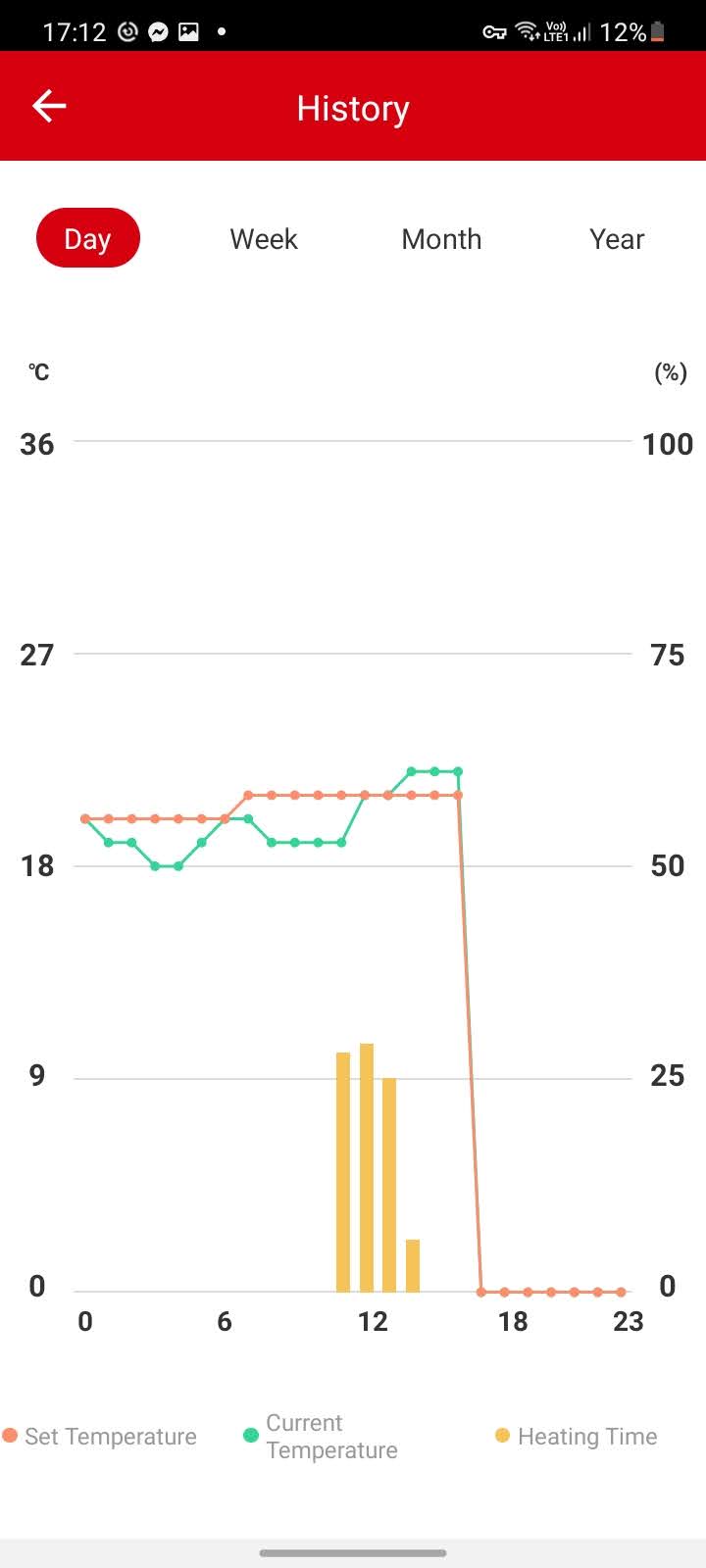
Instead of keeping the same temperature constantly, set the heating based on the actual usage of the rooms. The radiator doesn't need to heat as intensely at night or in an unused living room as it does in the bathroom in the morning or the living room in the evening.
Kitchen
Higher temperature in the morning and evening, maintenance mode only during the day, lower temperature at night.
Bedroom
Comfortable temperature in the morning, setback during the day, and a pleasant sleeping temperature at night.
Living room
Significant setback or turn off at night; restore heating before using the room in the morning.
Don't forbid tenants from heating. Set a reasonable temperature return.
Locking the valve might seem too restrictive. A better option is an automation that allows the tenant to turn up the heat for a short time, but the temperature returns to its normal level after a set period.
- When manually increased above the set limit, send a notification to the property manager.
- After 1 to 2 hours, automatically set it back to the normal temperature.
- Adjust the schedule based on repeated requests so that it fits the tenants' real routine.
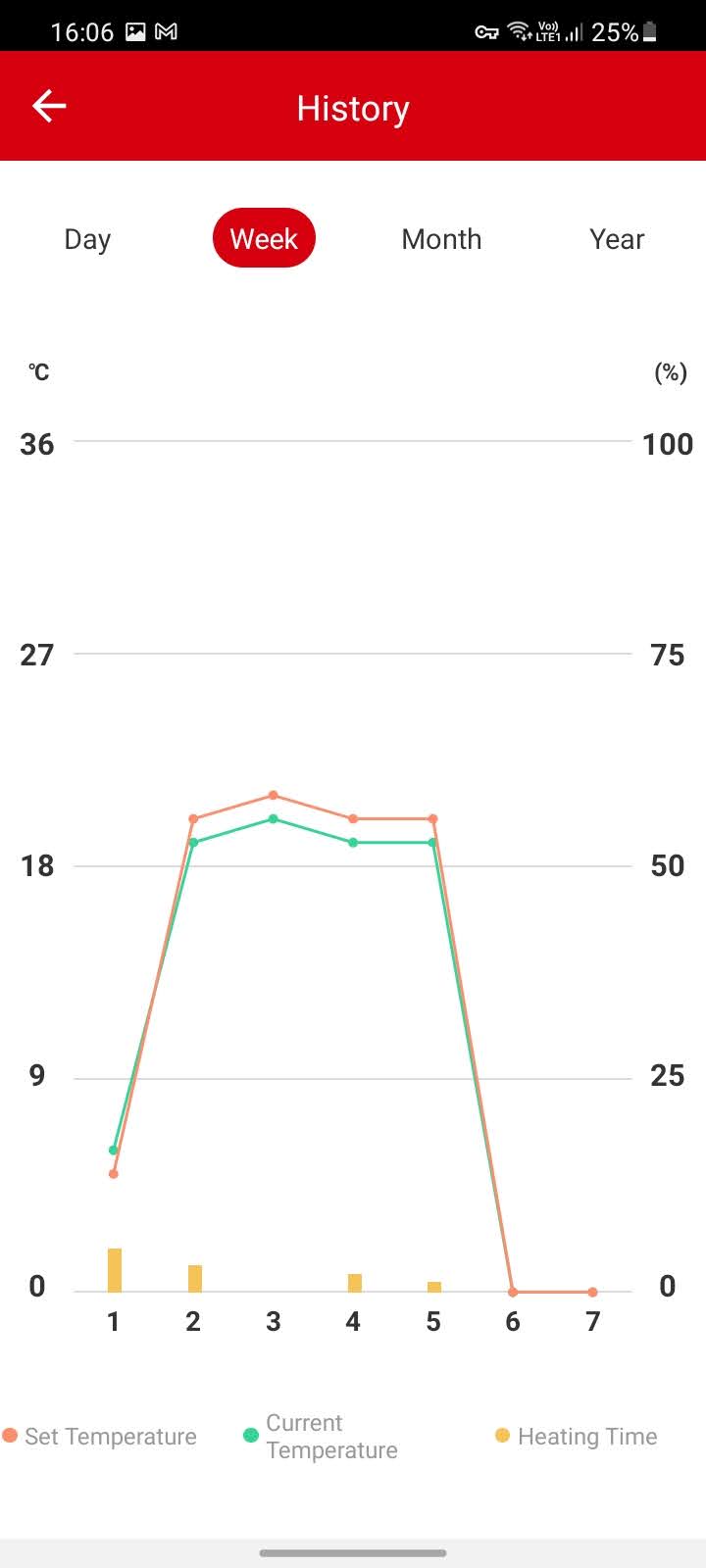
Solving heating with an open window: Window sensors
Most Smart valves can detect a sudden drop in temperature and evaluate it as an open window. During long ventilation, however, this feature may not be enough – the valve might start heating again after a certain time, even though the window is still open.
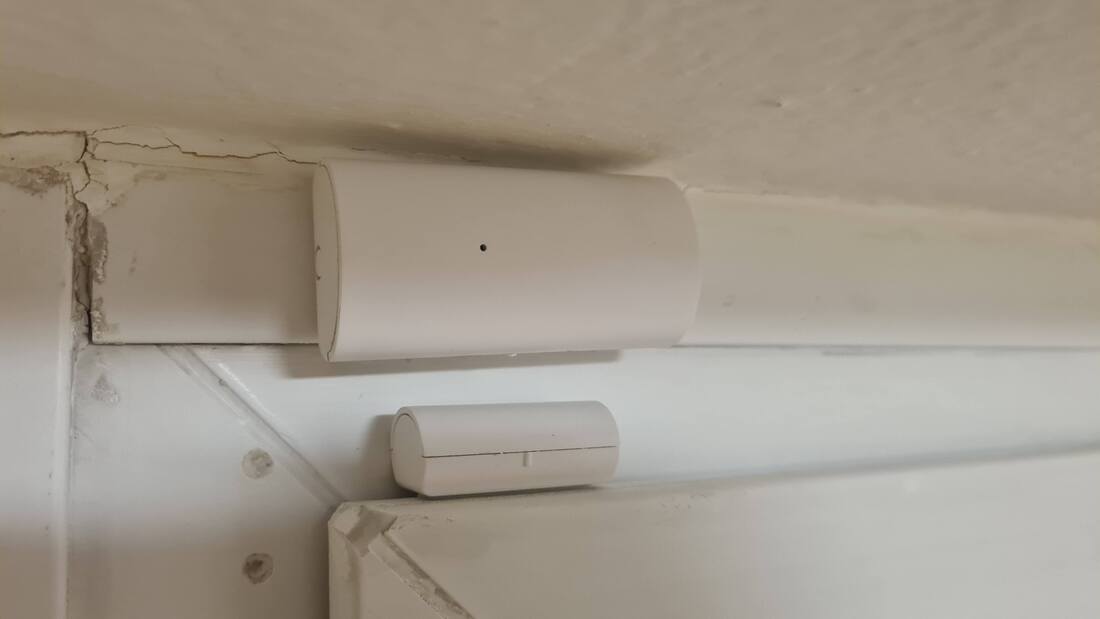
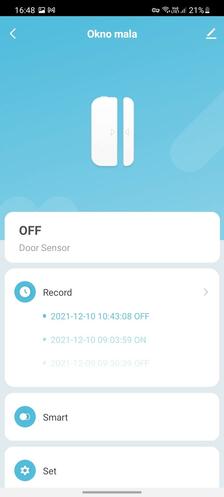
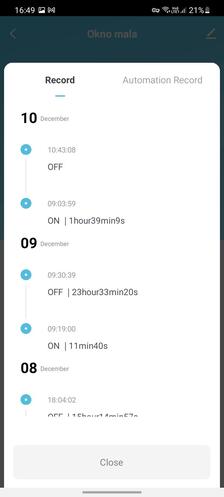
A more reliable solution is provided by a separate door and window sensor. The sensor knows exactly whether the window is open or closed, and it sends this information to the automation.
Automation that solves the problem for you
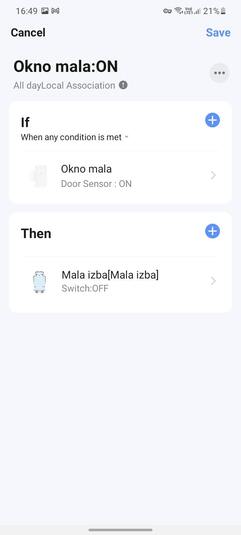
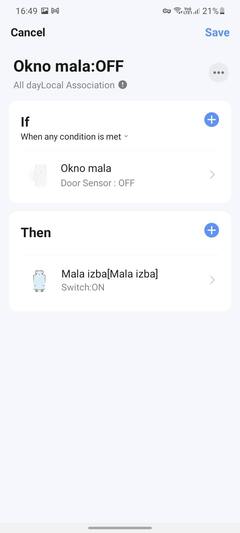
Create two simple automations for each room. The first immediately turns off or turns down the heating when the window is opened. The second restores the previously set temperature after it is closed.
Window open
The sensor detects the open window and the valve switches to off or setback mode.
Ventilation in progress
The radiator does not heat, even if the tenant leaves the window open longer or leaves the apartment.
Window closed
Once the window is closed, the previous desired room temperature is restored.
Involve the tenant without conflict
Automation solves the technical side of the problem, but you get the best results when the tenant can use the system and simultaneously understands why short, intensive ventilation is more effective than leaving a window open for hours.
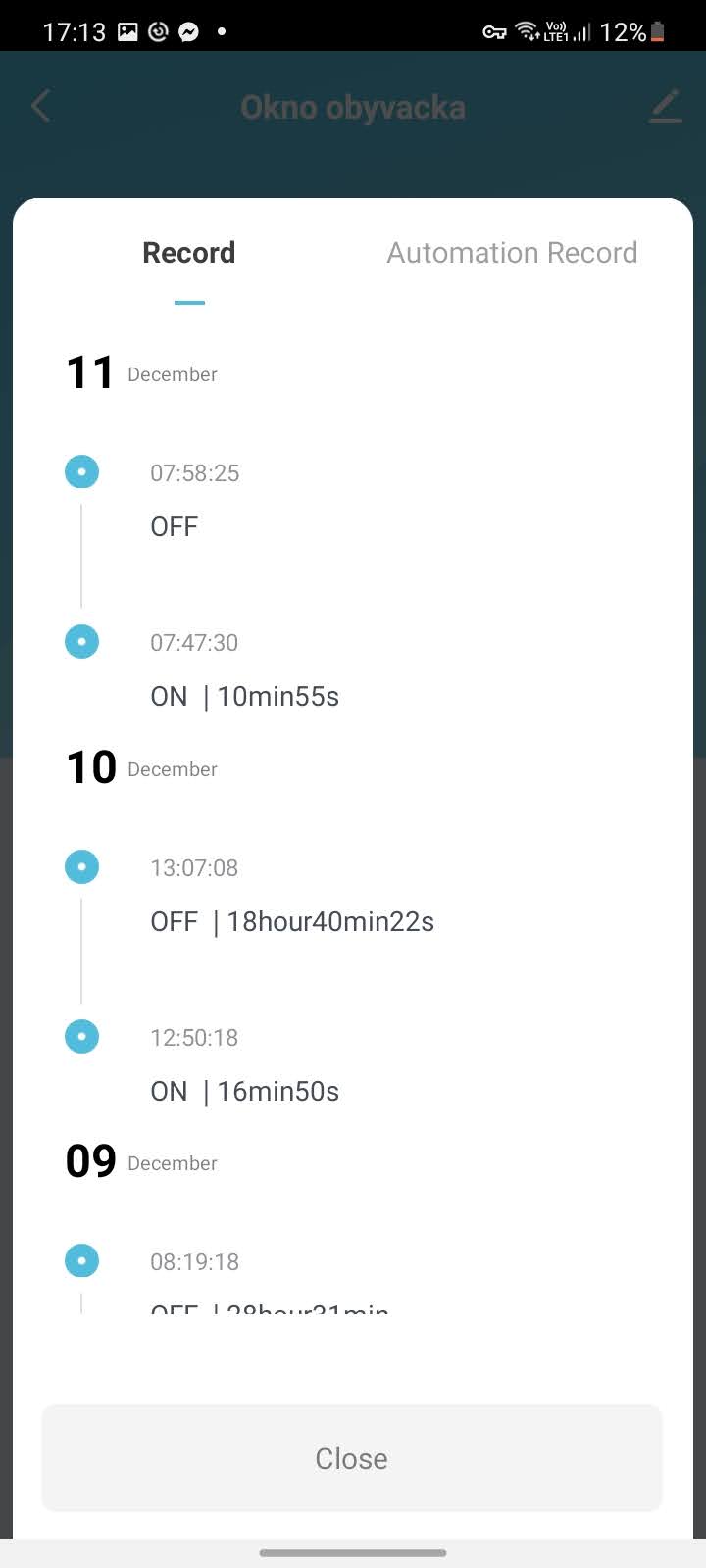
You can add the tenant as a user in the Tuya app. They gain the ability to conveniently adjust the temperature via phone and can receive notifications, for example, if a window in a specific room has been open for more than 20 minutes.
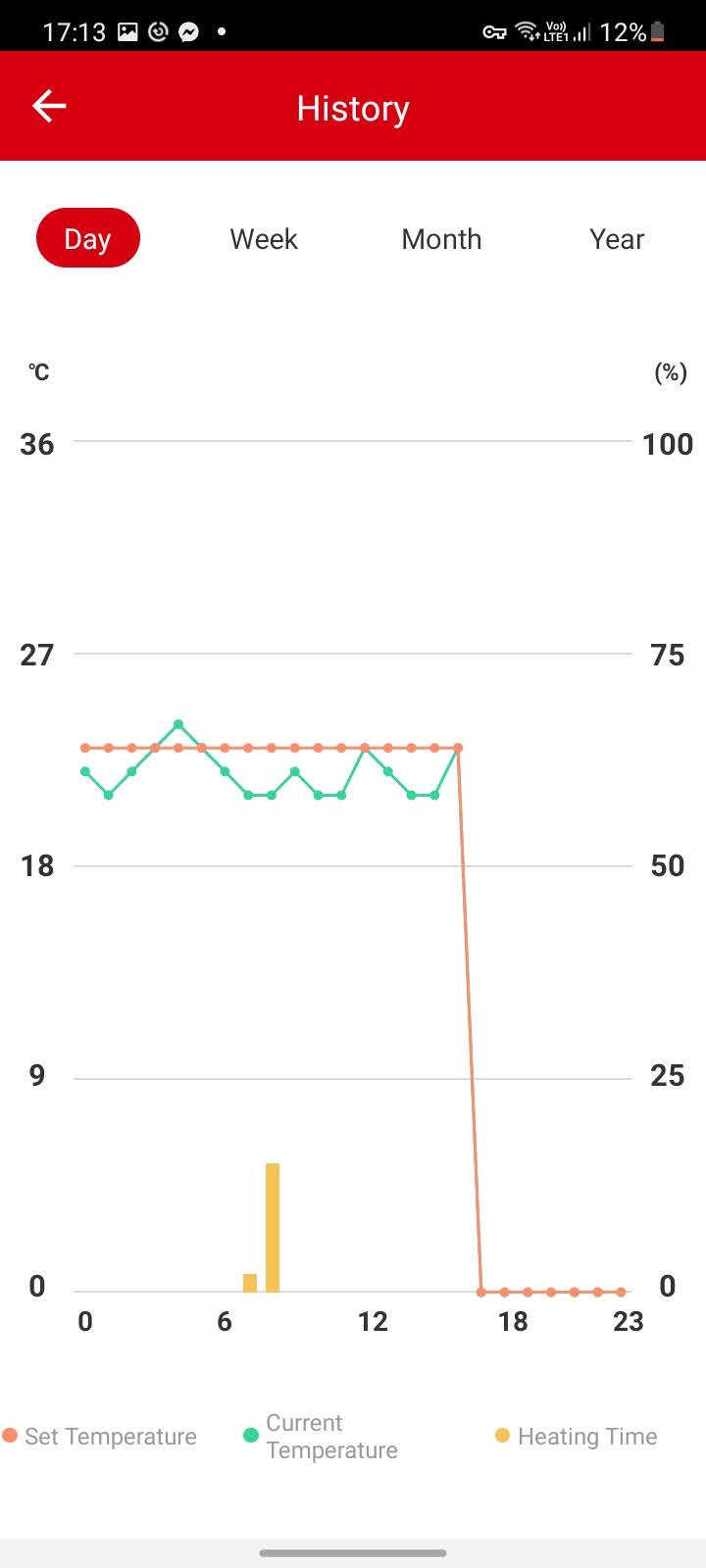
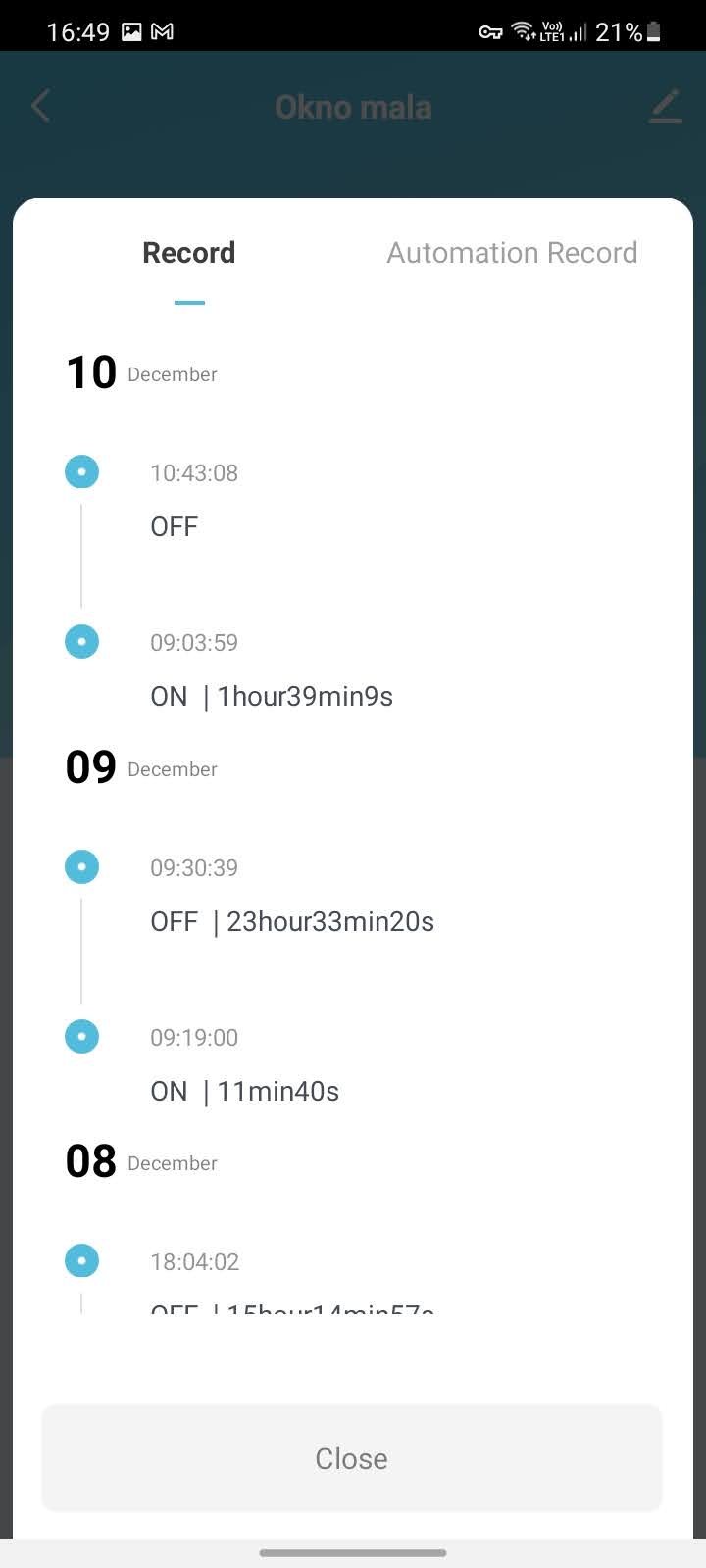
Is heating automation worth it?
The return on investment depends on the number of radiators, the cost of devices, how costs are split in the apartment building, and especially how inefficient the original heating was. If the apartment has meters and a high variable cost component, the benefit can be significant.
The following example is based on an actual setup in an apartment with three rooms, a kitchen, and a bathroom. The prices are historical, so you need to check current product prices before ordering.
| Product | Quantity | Historical price |
|---|---|---|
| Hama Smart Radiator Valve | 5 pcs | €255 incl. VAT |
| Zigbee Gateway | 1 pc | €29 incl. VAT |
| Nous Door and Window Sensor | 4 pcs | €66 incl. VAT |
| Total automation costs | €350 incl. VAT | |
In this case, there was a heating arrear of €220 before automation. If the system can eliminate most of the waste, the return on investment can happen in roughly two years. However, the actual savings always depend on the specific apartment, the behavior of the tenants, and the rules for cost distribution.
Want to automate other devices?
You can manage unnecessarily left-on lights, motion-activated lighting, or other smart home elements in the exact same way.
View Tuya Smart Home products