When designing smart homes, the same question always comes up: What to build it all on? Paper specs and marketing leaflets promise the world, but the reality on site and during everyday use is often different. After years of system integrations, I know there is no single ideal hub for everyone.
Yubii Home PRO, Homey PRO, and Home Assistant represent three completely different philosophies. Let's look at them, point by point, from the perspective of real-world deployment and future sustainability.
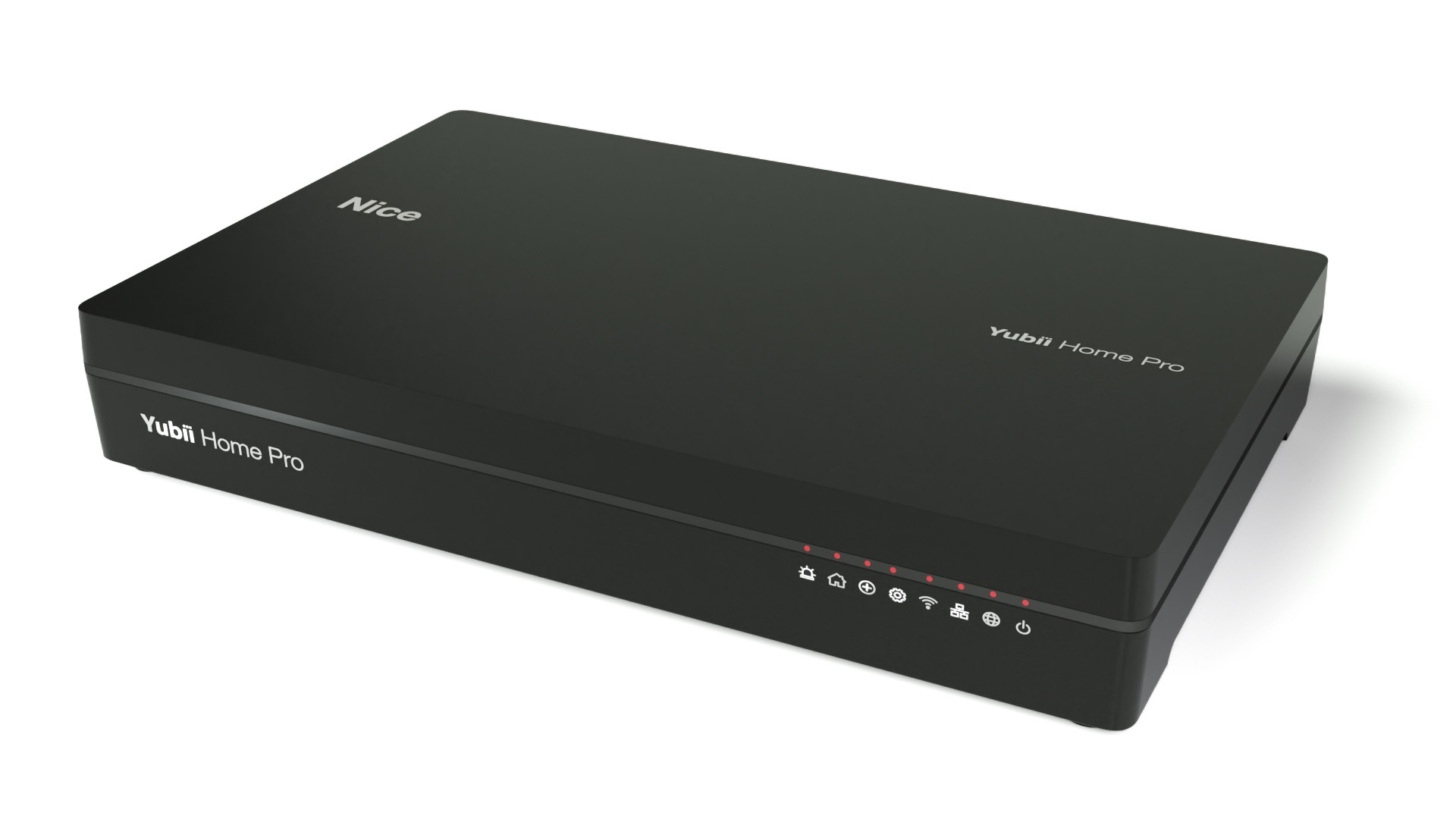
Yubii Home PRO
Hardware based on the professional Fibaro Home Center 3. It is a more closed, but extremely stable system, primarily intended for certified installations focusing on Z-Wave and shading technology.
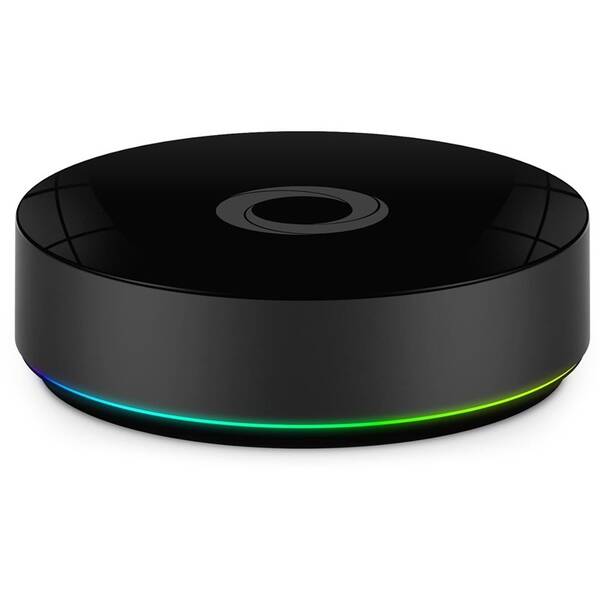
Homey PRO (2026)
The most commercially successful multi-protocol hub. The current generation combines massive power for local data processing and arguably the best user interface on the market.
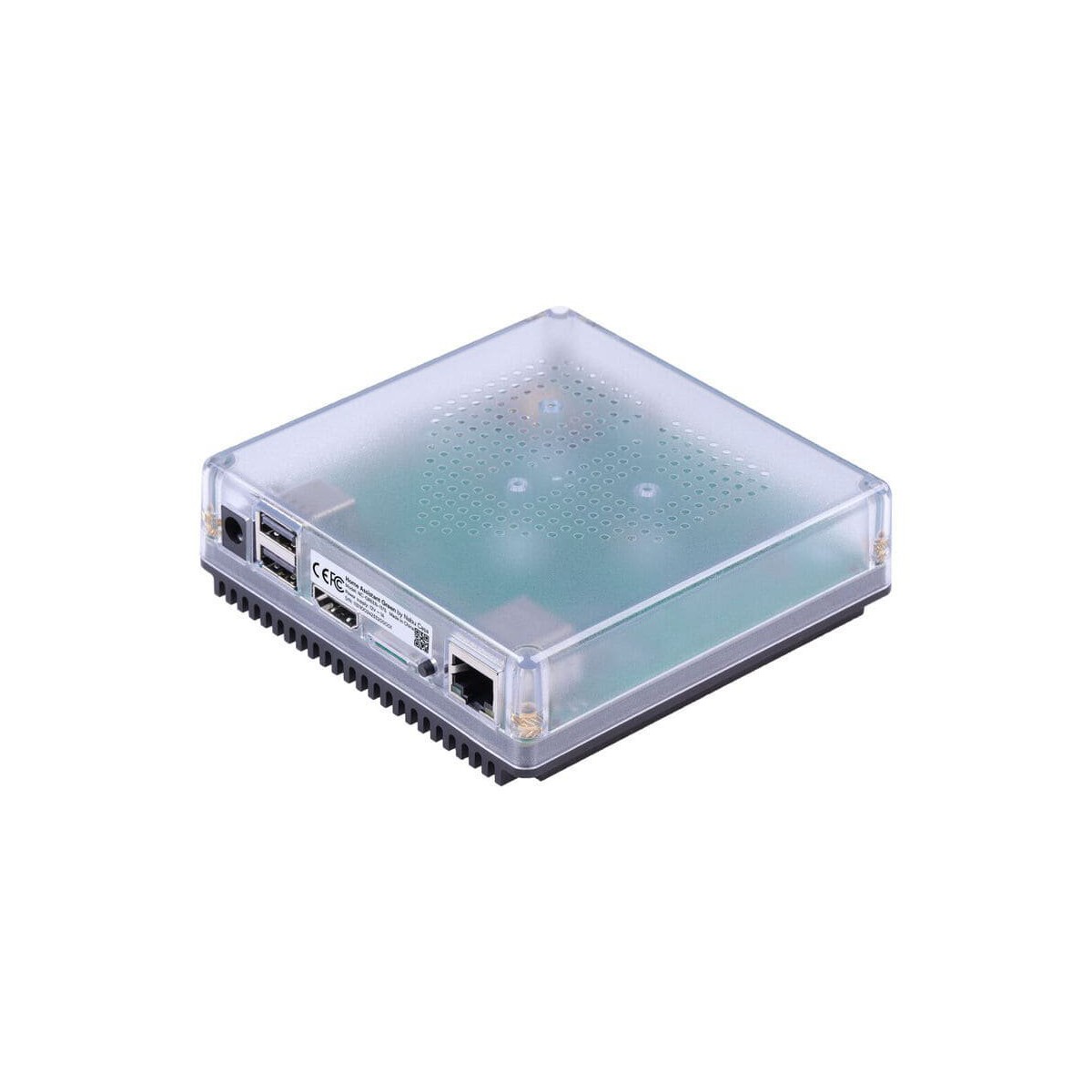
Home Assistant Green
An affordable, pre-installed unit for the open-source Home Assistant system. Ideal for tech-savvy users who want unlimited possibilities and full local control.
1. Hardware and Performance
Yubii Home PRO
The device is powered by a 4-core processor with 2 GB RAM. The performance here is strictly optimized to run its own operating system and Z-Wave network (700 series). It contains special chips for native communication at 433 and 868 MHz for direct control of Nice and Elero gate and roller shutter motors. In terms of performance, the unit doesn't lag because it doesn't try to do everything for everyone, but focuses on the maximum stability of its own ecosystem.
Homey PRO
The new generation is a hardware beast. Inside beats a 4-core processor supplemented by a massive 4 GB of RAM. This huge memory capacity is necessary because you download dozens of "Apps" (drivers for different brands) into the unit. The increased performance ensures that even with hundreds of devices and complex logic, the system runs lightning fast and fully locally without cloud dependency.
Home Assistant (HA Green)
While HA can be installed on anything, for a fair comparison we consider the official HA Green unit. It offers a 4-core Rockchip processor, 4 GB RAM, and 32GB eMMC storage. The hardware is robust, fast, and designed as a "plug and play" foundation. However, unlike the previous two, it does not contain built-in radio antennas for the smart home – it is purely a computing brain to which you must purchase the appropriate USB coordinators (SkyConnect, Z-Wave dongle).
2. Device Support and Protocol Availability
Homey PRO (Around 50,000+ devices)
In this category, Homey absolutely dominates on a commercial level. It has integrated antennas for Z-Wave, Zigbee, Wi-Fi, Bluetooth, Matter, Thread, 433 MHz, and IR. If a new device appears on the market (e.g., from Xiaomi, IKEA, or Philips), the community or the manufacturer itself will release an official app in the Homey App Store within a few weeks. Adding support for new products is incredibly fast and flexible thanks to this model.
Home Assistant (Almost unlimited)
HA goes even further. It supports hundreds of thousands of devices. If a product has an IP address or emits some signal, someone in the world has probably already written an integration for it. The community reacts to market novelties within days. The disadvantage is that to connect Zigbee, Z-Wave, or Thread devices, you must buy and properly configure external USB dongles for HA Green. While integration on Homey takes one click in a nice app, on HA it sometimes requires reading through the documentation for the given integration.
Yubii Home PRO (Thousands of devices)
Corporate strategy shows here. Yubii primarily sticks to the Z-Wave protocol and Nice/Elero network products. Adding supported devices is slower, as they wait for official firmware updates from the manufacturer. In terms of the total number of supported third-party brands, Yubii is the strictest, which, on the other hand, guarantees the professional reliability of certified elements.
3. Apps, QuickApps, and Integrations: How hard is it to get them?
Homey PRO: The "App Store" Concept
Getting support for a new TV, vacuum cleaner, or car is ridiculously easy here. Directly in the mobile app, you open the Apps tab, search for e.g. "Samsung," and click install. Everything works exactly like an app store on a smartphone. The system is secure, clear, and anyone can do it.
Home Assistant: Integrations and HACS
Basic integrations can be found directly in the menu, and installation is often just one click away. But the real power lies in the community-driven HACS store. Here you will find even the most curious connections. Getting apps is moderately complex – it requires creating a GitHub account, installing the repository, and occasionally modifying configuration files (YAML). If something breaks after an update, you have to search the forums for a solution.
Yubii Home PRO: QuickApps (QA)
FIBARO/Yubii handles third-party devices (via Wi-Fi/LAN) using so-called QuickApps. These are not obtained from any integrated App Store in the app. You have to go to a web forum, find a file with the .fqa extension, download it to your computer, log into the unit's administration, and import the file. It is often necessary to modify variables within the LUA source code to get it running. This is work for an integrator, not an average user.
4. Entertainment Category: What you will (and won't) experience
Homey PRO: Pure joy of automation
Homey was designed to make your smart home fun. It's not just about turning on a light. You can have the system speak through integrated Sonos speakers, send yourself funny and practical notifications on Android TV ("Washing machine finished," or display a camera snapshot when someone rings the doorbell). Connecting with your calendar, Tesla cars, or Spotify offers huge room for creativity. Creating advanced logic (Advanced Flows) by visually connecting bubbles on the screen is so immersive that for many, it becomes an evening hobby. Moreover, thanks to many apps, you can use features you wouldn't normally associate with a Smart Home, like the Google Assistant giving you a motivational quote when you open the fridge at night. Even though there are many features, they are designed so that you have fun integrating them, and it’s never overwhelmingly burdensome.
Home Assistant: A playground for adult geeks
Having fun with HA has a completely different dimension. Here, you have fun by building the system to your own liking. You can create a 3D floor plan of your own house and control it by clicking on virtual furniture. You can solder your own temperature sensors for a few bucks (via ESPHome) and integrate them into the network. You can track the International Space Station or download real-time electricity spot prices. It is the ultimate IT building kit. If you enjoy coding and tweaking systems, you will enjoy thousands of hours of fun with HA. You can do a lot with HA, but the catch is that you have to figure out many features and dedicate time to tweaking them.
Yubii Home PRO: Here we work, we don't play
Yubii doesn't fit into this category. It doesn't try to be funny or playful. You install this system, program the scenes, test the Z-Wave network range, and just use it. It's supposed to protect the house, reliably pull down the blinds, and control the heating. The fun here practically begins and ends with having full, detailed control over your smart home and managing all household devices via automation. It's not for perpetual tinkerers, but it is for the peace of mind of the homeowner.
Final summary
Ultimately, the choice comes down to your expectations and technical skills.
- If you require a maintenance-free, professional system where you aren't expected to add things every weekend, choose Yubii Home PRO.
- If you want a modern, extremely versatile hub that you can playfully connect to anything in the house without spending your youth reading code to set it up, reach for Homey PRO.
- If technology is your passion, you want zero limits, you don't mind learning new things and investing your time in software maintenance, getting Home Assistant Green will give you the most powerful tool on the current market.