
Which room thermostat to choose to meet your needs?
Although winter isn't knocking on the door just yet, it's a good idea to think ahead about saving energy, as heating costs continue to rise. One of the best ways to pay less is to invest in a high-quality thermostat. But which one?
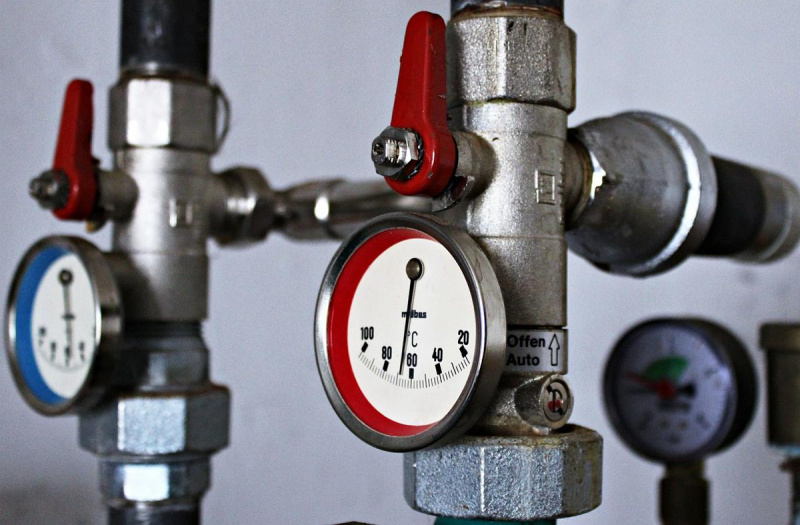
Thanks to a thermostat, you will save a considerable amount of money on energy.
A thermostat is a device used to regulate temperature in homes, offices, and various facilities where heating and maintaining an optimal climate is essential. Did you know that a high-quality model can help you save up to 25% on heating expenses?
Perhaps you've thought of a thermostat as an unnecessary expense that you can live without. The fact is, the market offers various types in different price ranges for both standard and highly demanding customers. So, how do you choose the right one?
Not all thermostats are created equal
These useful devices are not only used for indoor heat regulation. Their job is to maintain or set the temperature on various appliances. Even if you don't realize it, thermostats are all around you, and you interact with them every single day. Without them, electrical appliances like irons, hairdryers, toasters, deep fryers, or refrigerators wouldn't work.
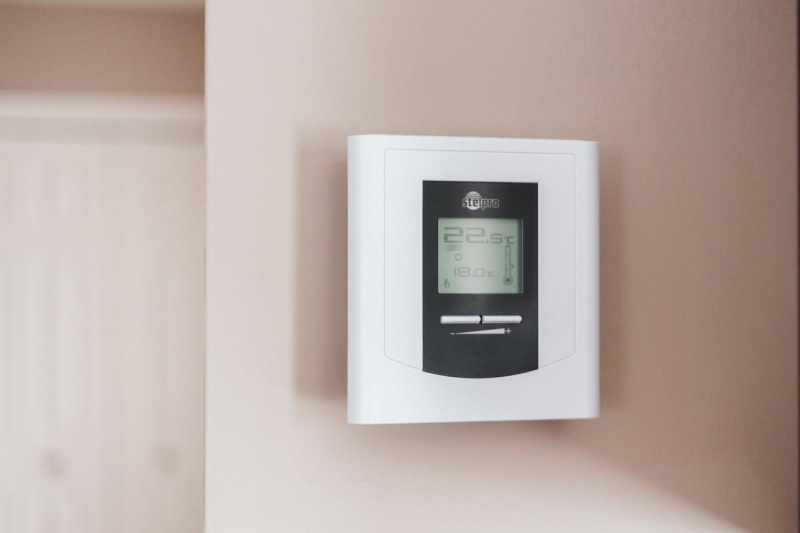
A room thermostat ensures optimal temperature in your household.
Which thermostat is best for a condensing boiler, underfloor heating, or a water heater?
First of all, let's look at the different heating systems you might encounter. There are truly many options available today.
- Electricity – one of the most expensive heating methods, especially nowadays. However, its advantage is high comfort and immediate heat availability.
- Gas – popular, easily adjustable, and convenient. Low-temperature, condensing, or high-temperature boilers are used to generate heat. Condensing boilers connected to underfloor or wall heating are especially popular.
- Coal – although a cheaper source, it is the worst fuel in terms of pollution and ecology.
- Wood (Biomass) – a cost-effective heat source with a strong tradition. For maximum efficiency (up to 90%), a gasification boiler is highly recommended.
- Heat pumps – represent an eco-friendly heating method utilizing renewable resources and are standardly installed in modern new builds. The downside is a higher initial investment.
- Solar panels – also use renewable energy but depend heavily on the weather. They might not be sufficient in winter, so they are best combined with another heat source.
The question then arises: "Which room thermostat should I choose?" First, you must assess whether it is compatible with your heating system. Only then can you focus on additional features. If you need help, contact the experts at Home System, who will help you select the ideal device.
Types of room thermostats
To make your choice easier, let's summarize the basic categorization of thermostats you will most often find on the market.
- Mechanical thermostats – manual temperature setting via a button or rotary dial. The advantage is their low price and simple operation. However, they lack advanced features and detailed temperature regulation.
- Digital thermostats – equipped with a display showing the exact temperature. They allow for much more detailed regulation but lack advanced scheduling options.
- Programmable thermostats – a subcategory of digital thermostats offering the ability to set precise schedules (e.g., lowering the temperature after leaving for work). The system will automatically regulate the heat based on your setup.
- Smart thermostats – the absolute top tier. They connect to Wi-Fi and can be controlled via a mobile phone. Based on your routine, they can optimize the temperature to give you perfect comfort while saving maximum energy.
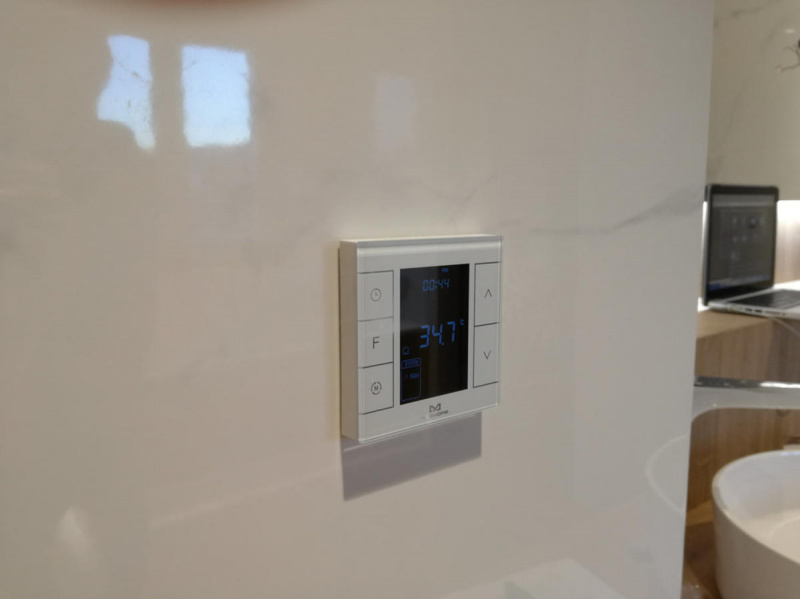
A Smart Home is practical, convenient, and highly efficient.
Categorizing thermostats by power supply type
Besides features, it's crucial to look at the categorization by power supply. Each type has its specifics and installation requirements.
Universal wired thermostats
This type connects to the heating appliance via cables. Typically, standard electrical wires compatible with 230V circuits are used. They are installed either flush-mounted (in-wall) or directly on the wall. When flush-mounted in an installation box, the design is much cleaner and doesn't ruin the aesthetics of your interior.
Wall-mounted wired thermostats are often used when replacing an older model with a new one. They are divided into:
- Boiler thermostats – connected to a heat pump, water heater, or gas boiler, controlling the entire heat source.
- Underfloor heating thermostats – designed for electric or hydronic underfloor heating. They are connected via a cable to a floor sensor, which must be placed as close to the floor surface as possible for maximum accuracy.
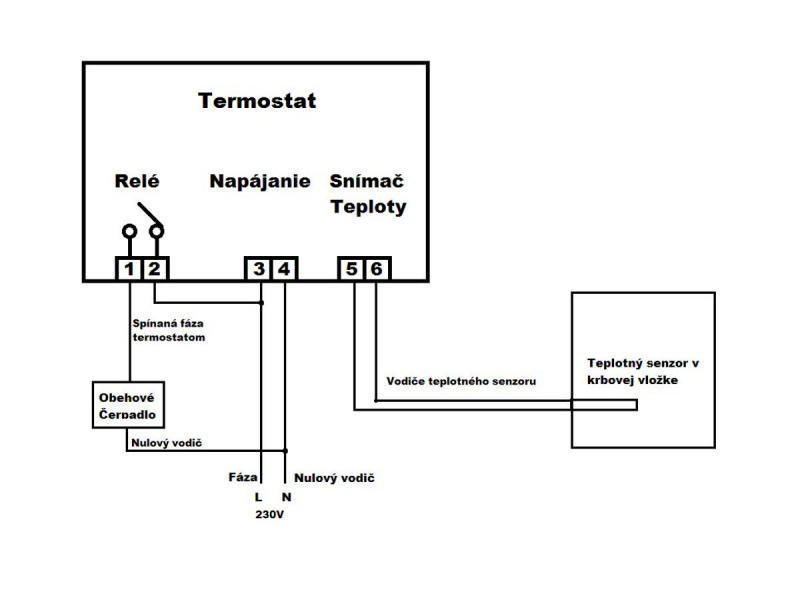
A properly placed thermostat effectively monitors your costs.
Wireless thermostats
An ideal solution for people looking for flexibility without construction work. You can easily move a wireless thermostat from one room to another since there are no cables to restrict you. They are usually powered by batteries.
It consists of two parts that communicate remotely – a switching module (installed directly at the boiler) and the room thermostat itself with a display, which measures the temperature in a given room and controls the system.
How to set a boiler thermostat and where to place it?
The ideal temperature is highly individual. However, to save money and stay healthy, we recommend ensuring that the temperature in your home does not fluctuate excessively.
Generally, bedrooms should be kept around 18 °C for quality sleep. A similar temperature can be maintained in hallways where you don't spend much time. Conversely, a temperature between 21 and 23 °C is recommended for living rooms and bathrooms. If you are actively cooking or baking in the kitchen, you can temporarily lower the thermostat.
When placing a thermostat, ensure it is in an area with natural airflow (usually about 1.5 m high). Never install it right next to a radiator, above a stove, or in direct sunlight, as the readings would be skewed. Only in a neutral spot will you have an accurate overview of the true temperature in your home.
The boiler is not responding to the thermostat: what to do?
If the boiler is not switching on when it should, the reason could be a dead battery in a wireless thermostat, a broken wire, or a malfunction within the boiler itself. Conversely, if the boiler never switches off and heats continuously, you'll end up overpaying at the end of the month. If you are unsure how to properly set a thermostat on a boiler, read the manual carefully or contact a professional.
If you choose a product from our e-shop, expert technical support is included in the price. If you can't decide which room thermostat to choose, email us at info@homesystem.sk or call us at +421 948 213 492. We will be happy to advise you.